Author: GetBulder Editorial

  • Trends in Kitchen Avantgarde Design

    Trends in Kitchen Avantgarde Design

    New kitchens: increasingly integrated and with cutting-edge design


    First, the food preparation area was integrated with the dining area. After the pandemic, the kitchen also became a workplace.
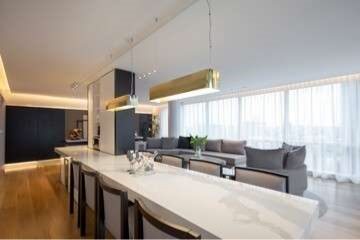
    Integrating the kitchen into the rest of the home is a growing trend when designing or renovating spaces. The increased importance of this space as a meeting point is leading to its transformation into an area with a more avant-garde aesthetic , one that blends style and functionality.

    Until a few years ago, kitchens were often relegated to secondary workspaces. Those responsible for cooking were sidelined and excluded from gatherings . But especially after the pandemic, this space became another environment for interacting, sharing, and enjoying oneself.

    Remote work and the new lifestyle have led many to see the kitchen as a haven of peace and tranquility in their work routine. For this reason, bold colors are being set aside in favor of a more subdued and subtle palette , as well as the use of durable, practical materials that invite people to spend time in the kitchen.

    Spaces are typically blended through a play of light, shadow, and color. When integrating the kitchen into the dining room, the aim is to achieve a seamless fusion of atmospheres through color and furniture. Neutrals (white, black, or beige), earth tones, and muted colors are essential.

    The metallic details will give a sophisticated contrast to the kitchen, blending it seamlessly with the rest of the social areas.
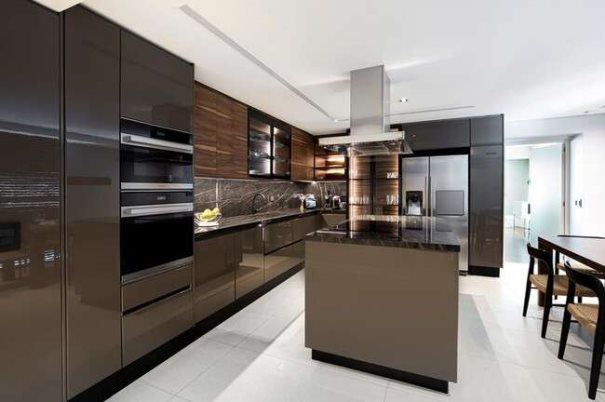
    Functionality is key: everything must be within easy reach. Furniture should have good hardware, and drawers and doors with soft-close mechanisms. And lighting will be used to create scenes and highlight workspaces.

    Recommended wall coverings include wood, marble, granite, and quartz . Quartz is particularly popular due to its durability, non-absorbent properties, and scratch resistance. Combined with metal fixtures, these materials create a bold and modern contrast that exudes elegance, warmth, and sophistication.

    Household appliances have also become more stylish and are worthy of being showcased as decorative objects. They are usually placed on shelves or countertops behind glass doors with internal lighting.

    Often, when strategically placed and integrated with the tableware, they create a unique interplay of light and shadow. Many appliances, such as refrigerators, microwaves, and dishwashers, can be paneled and integrated into the rest of the cabinetry, allowing the same compartment to be used from the front and thus achieving a seamless blend with the rest of the space.

    When starting a project, it’s essential to consider the source and quality of natural light and the placement of artificial lighting to achieve harmony. For workspaces, diffused light is most appropriate because it doesn’t create shadows.
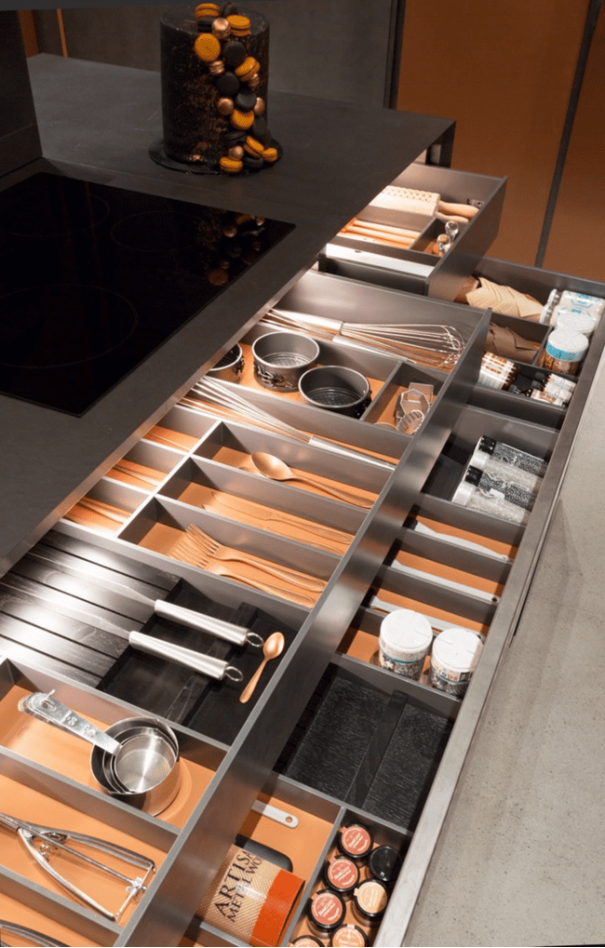
    This is why it is recommended to create a composition of effects generated by different types of lights , such as LED strips in gaps and shelves or lighting that focuses on spaces and highlights them.

    The new star of the kitchen is the island. Adding an island to the kitchen seems like a good layout solution if you have a generous amount of space, and it can even become an integral part of the house, helping to visually separate the kitchen from the rest of the rooms.

    It’s a multifunctional space that not only becomes the heart of family life but can also be used as a cooking area, laundry area, storage space, and work surface . Some models are also designed with a countertop extension for a breakfast bar.

    An important aspect to highlight is the material used for the countertop surface. Natural stone is the most common choice due to its strength, durability, ease of cleaning, and aesthetic appeal . Alternatively, there is also the option of engineered stone with a high quartz content.

    They have a low degree of porosity, making them easy to clean, highly antibacterial, and resistant to scratches , moisture, and impacts. Designing and distributing an open space requires considering many aspects, especially differentiating the areas to be integrated from the outset of a project: dining room, kitchen, and in many cases, the living room.

    To achieve this, it is important to choose the same decorative style, textures, coverings and the same color range for everything; in this way, all the rooms will be organized and integrated into the same space.
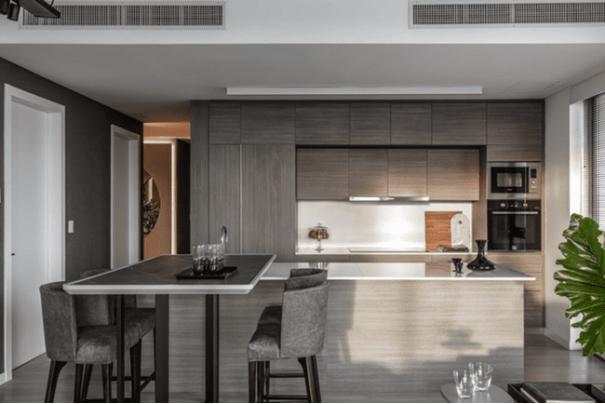
    Unifying the kitchen with the rest of the living spaces and giving it as much importance in design and aesthetics as the other rooms has become a trend in recent times . The challenge always lies in integrating the interior design as a whole and creating a sense of spaciousness.

    The focus will be on enhancing the brightness so that the area becomes more social, the epicenter of shared moments between the family living in the house and also when guests are received
  • Trends in kitchen design

    Trends in kitchen design

    Goodbye to boring kitchens: this will be the trending color that will surprise everyone in 2025

    • This season’s color arrives to give a touch of personality and relaxation.
    • The versatility of this color is that it combines perfectly with steel and wood, materials commonly found in kitchens

    It happens in most homes: despite being a focal point for living rooms and bedrooms, the kitchen can be a great meeting place. Breakfast bars are preferred over tables at lunchtime and for morning coffee. And in 2025, the kitchen will become the star, sporting the trendiest color, just like the rest of the house .

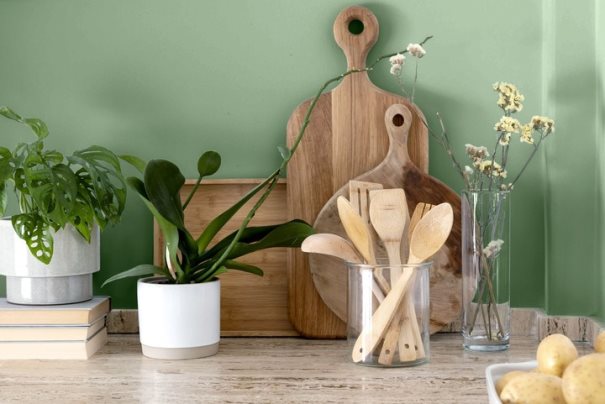
    Plain white is no longer the go-to choice for your kitchen. This year, color is joining the palette . The good news is that it’s a shade that pairs beautifully with wood and is easy to incorporate through decorative elements without requiring a major investment if that’s not in your plans.

    This is the trending color for your kitchen in 2025

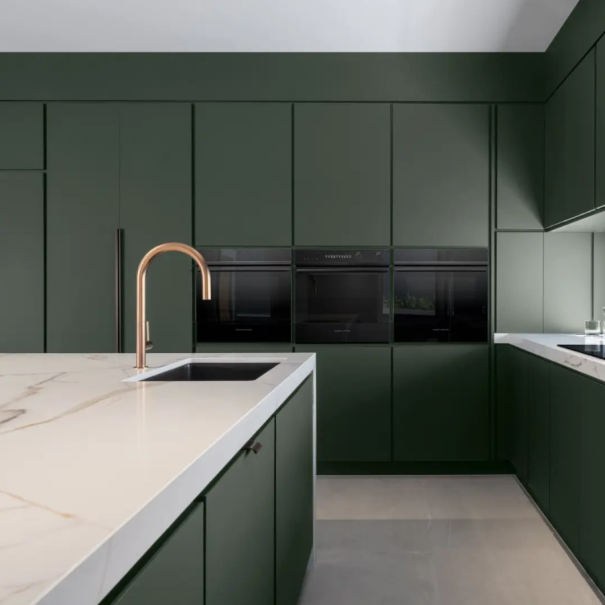
    Cheerful, relaxing, and versatile:  green will be the trendiest color for your kitchen in 2025. And while this shade will dominate decorative elements and even tables and chairs, the power of green is so great that the most daring can opt for more vibrant variations like emerald green or a more defined green like pastel green.

    According to the interior design and trends publications, the fundamental difference between green and white is that the sense of balance and refreshment that white provides is redefined with greater personality by green. White is often described as impersonal, so green will give your spaces that touch you’re looking for.

    Green is associated with renewal, hope, and harmony . Therefore, it is believed to help relieve stress and improve mood. At the same time, its positive impact on memory is linked to increased creativity, which is why color psychology has given this hue such a good reputation.

    How to add the trendiest color of 2025 to your kitchen

    We’re not always ready to remodel or redecorate the kitchen. But that doesn’t mean we should avoid beautifying it. And the truth is, green allows for both options: small touches to give it a fresh look, or going all out and making more significant changes. Let’s look at some ideas.

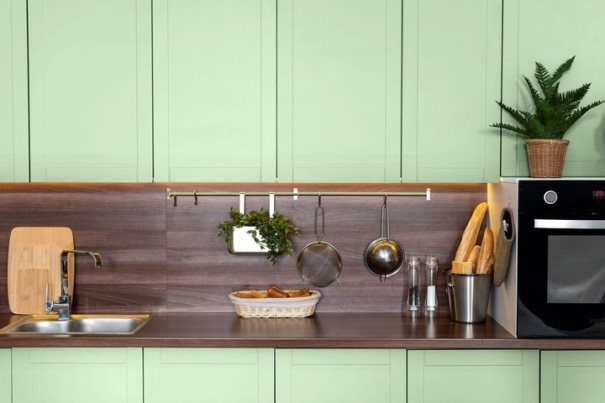
    • Paint one wall : Sage green, or any of its variations, allows you to “play” with it. Choose one wall and leave the rest in off-white or beige. The great thing about this color is that it combines beautifully with the stainless steel of your kitchen sink or the wood of your cabinets. If you’re going all out, dare to choose the entire kitchen green without combining it with white: the result is stunning.
    • Green cabinets and furniture : You can also go for green cabinets and furniture to create a “block” effect, which is highly recommended in large kitchens. If your kitchen is small, you can choose green only for furniture or only cabinets. Don’t forget that sage green combines very well with the other colors we usually have in the kitchen.
    • Just a few items : If your budget for 2025 doesn’t allow for major investments, you can incorporate sage green accents. From the kitchen light fixture to a runner above the breakfast bar or a ceramic piece used as decoration, it can give your kitchen a fresh look without breaking the bank.
    • Restore a piece of furniture : If you’re up for it, you can restore an old piece or furniture you already have in your kitchen and go with green.

    Whatever your choice, the versatility of sage green ensures a good result, so don’t hesitate to use this trendy color in your kitchen and give it a 2025 look.

  • Trends in bathroom design

    Trends in bathroom design

    Washlets – the new trend for bathrooms in 2026

    • The new trend that is gaining ground in bathrooms across the country.
    • It’s a new technology that promises hygiene

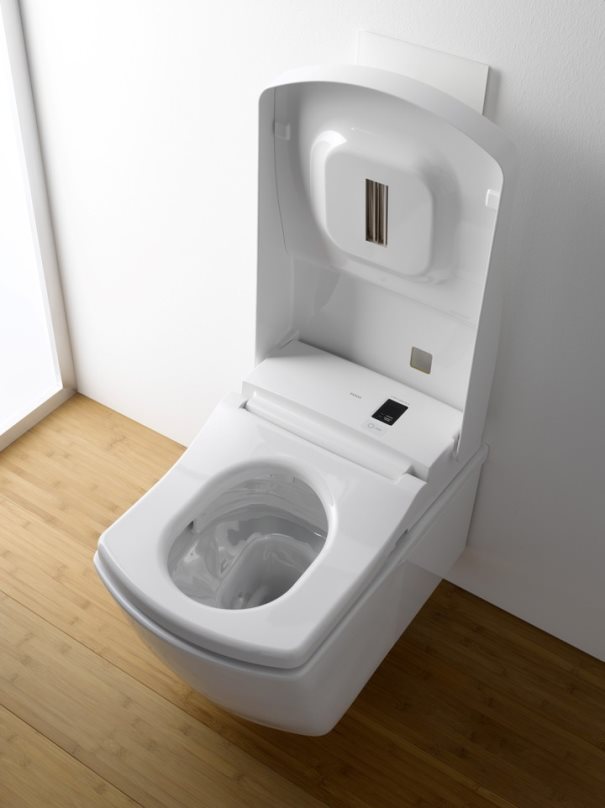
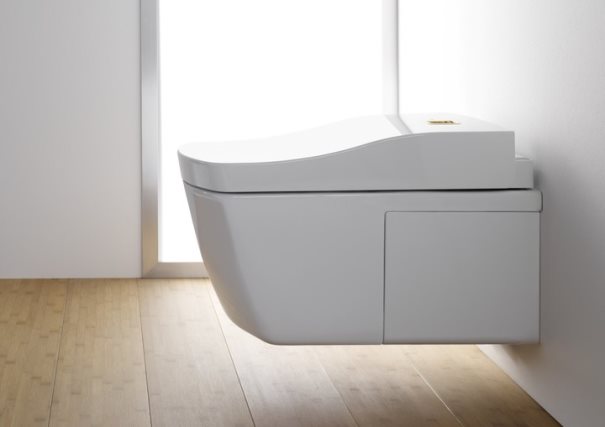
    Devices known as washlets are gaining popularity, offering a hygienic, eco-friendly, and technologically advanced option .

    What initially seemed like an extravagance exclusivity, has begun to spread across private homes. Over the years, the advancement of these water-jet toilets has offered a new approach to personal hygiene.

    Despite initial resistance, more and more people are willing to make the switch. While cost and ingrained habits work against this transformation , the benefits in terms of health, sustainability, and convenience could ultimately prevail in the country .

    The washlet revolution: comfort and sustainability within reach

    Washlets, toilets with advanced technology that combine water, adjustable temperature, and automatic drying , have burst onto the global market. Originating in Japan , these devices promise superior hygiene and a more environmentally friendly approach. Instead of consuming large quantities of toilet paper , washlets allow for more efficient cleaning with water , thus reducing the amount of waste generated.

    Some luxury homes already feature these sophisticated toilets, but their adoption in the private sector is still slow . In airports and luxury hotels in cities like London and Paris, this type of toilet has become standard, and it wouldn’t be surprising if we see it more commonly in homes in the near future.

    In terms of sustainability, washlets minimize toilet paper use and allow for more controlled water and energy consumption. More advanced versions include features such as automatic lid sensors and temperature regulation , ensuring a more comfortable and efficient experience.

    How does a washlet work? Step by step

    • Device activation : Once seated, the user activates the water jet, which automatically adjusts for effective and comfortable cleaning.
    • Temperature control : the washlet allows you to regulate the water temperature, adapting it to the user’s preferences.
    • Intensity selection : the system offers options to adjust the water intensity according to personal cleaning needs.
    • Automatic drying : After cleaning with water, the device activates automatic drying, leaving the area completely dry and comfortable.
    • Power off and cleaning : When finished, the system automatically powers off and performs a self-cleaning process to ensure the hygiene of the device.

    Health benefits of the washlet:

    Several studies have shown that using water is more effective at removing bacteria and organic matter , reducing the risk of infections and skin irritations. This is especially important for people with dermatological conditions or sensitive skin , who can avoid using toilet paper with this new toilet.

    At the end, studies concluded that cleaning with a bidet, and its more technological versions such as washlets, presents a lower presence of microorganisms compared to the use of toilet paper.